
Steps to Ensure a Smooth and Successful Painting Experience
Embarking on a painting project can breathe new life into your business. Whether it’s freshening up your brand image or complying with regulations, the right preparation is crucial. A successful painting job not only enhances the aesthetic appeal of your premises but also improves customer satisfaction and employee morale. This guide will walk you through essential steps and considerations to help you prepare effectively.
Assessing Your Needs and Goals
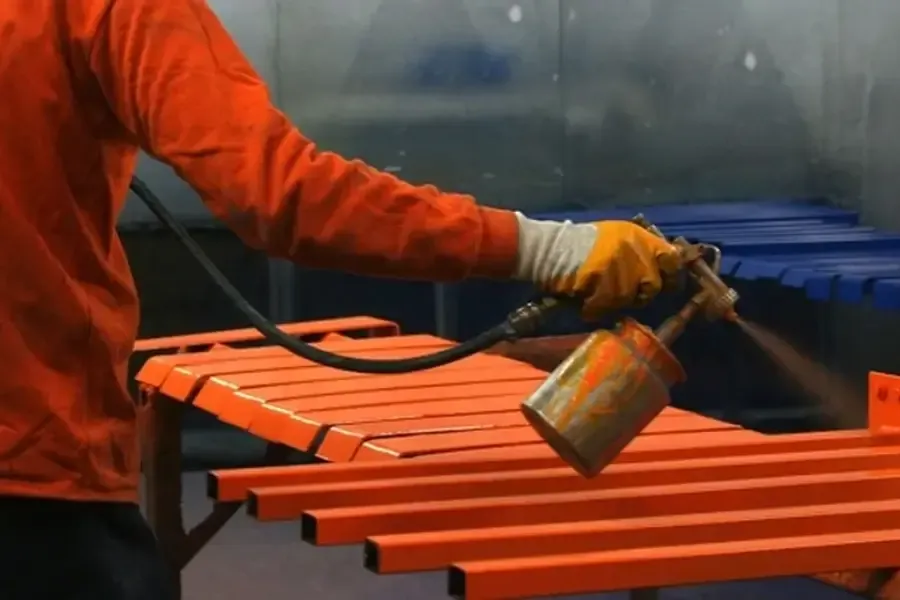
Before diving into a commercial painting endeavor, it’s vital to assess what you aim to achieve. Consider whether you’re looking to refresh your current look, comply with new branding requirements, or simply protect your walls from wear and tear. Identify the specific areas that need attention and decide on the types of paint finishes that suit your business environment. This step ensures clarity and direction as you progress.
Selecting Professional Painters
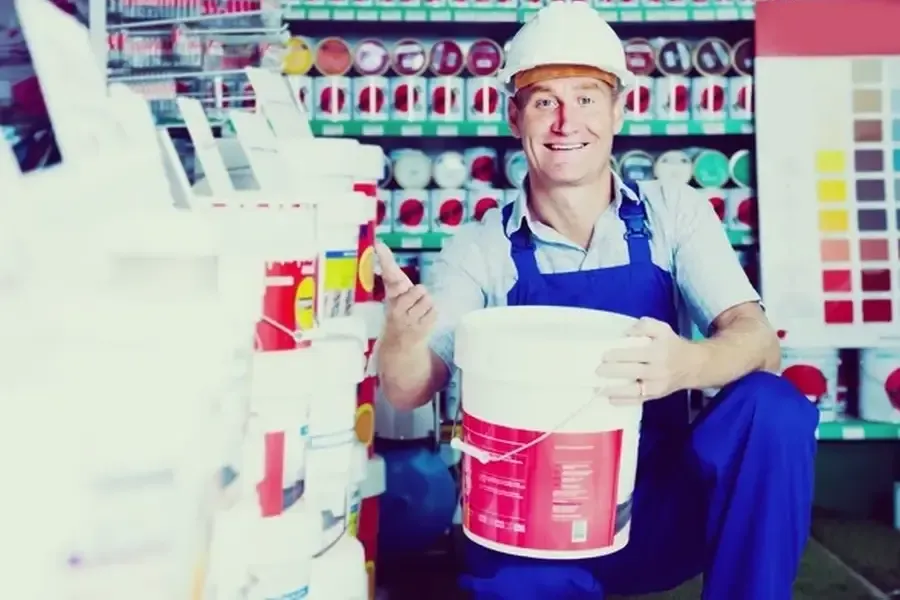
Choosing the right team for commercial painting is crucial to achieving the desired results. Look for experienced professionals who specialize in commercial spaces similar to yours. Ask for portfolios and client testimonials to gauge their expertise. A skilled team will provide insights on color schemes, materials, and timelines that align with your vision while ensuring minimal disruption to operations.
Scheduling the Painting Work
Timing plays a significant role in preparing for a painting project. Choose a period that causes the least disruption to daily activities. Some businesses opt for after-hours or weekend schedules. Collaborate with the painting crew to establish a timeline that accommodates both parties. A well-thought-out schedule minimizes downtime and keeps your business running smoothly throughout the process.
Preparing Your Space
Once the schedule is set, it’s time to prep the area. Remove furniture, equipment, and other items from the rooms being painted. Protect floors and fixtures with drop cloths or plastic coverings. Communicate clear instructions with employees about any temporary changes to workspace access or routines. Proper preparation makes the painting process efficient and ensures safety for everyone involved.
Understanding Paint Types and Finishes
- Acrylic: Water-based, easy to clean, suitable for most surfaces.
- Oil-Based: Durable, ideal for high-traffic areas but requires longer drying time.
- Satin Finish: Offers a slight sheen, good for hiding imperfections.
- Gloss Finish: Highly reflective, great for highlighting architectural details.
Choose the paint type and finish based on the area’s function and desired aesthetic. Consult your painting contractor for recommendations tailored to your needs.
Budgeting for Your Project
Establishing a realistic budget is vital for project success. Discuss pricing structures with potential painters and get detailed estimates that include labor, materials, and additional costs like cleanup or repairs. Understanding cost factors helps prevent overspending and allows you to allocate resources more effectively throughout the project’s duration.
Final Thoughts on Ensuring Success
Ultimately, careful planning and collaboration lead to successful painting projects. By assessing needs, selecting qualified painters, scheduling strategically, prepping spaces thoroughly, choosing appropriate paints, and budgeting wisely, you enhance your business’s visual appeal without unnecessary setbacks. Should you require further assistance or expert advice, consider reaching out to Restoration Painting Services at (615) 482-6461. Our team serves clients across Murfreesboro, TN, providing exceptional service tailored to meet each business’s unique requirements.