
Why Preparing Surfaces Correctly Matters for Quality Paint Jobs
Surface preparation is crucial when it comes to achieving a flawless paint job. Whether you are painting a living room, kitchen, or any other space, the outcome largely depends on how well the surfaces are prepared before the first coat of paint is applied. Proper surface preparation involves cleaning, sanding, and priming walls to ensure that paint adheres perfectly and lasts longer. This process not only enhances the visual appeal but also protects the surfaces from damage over time.
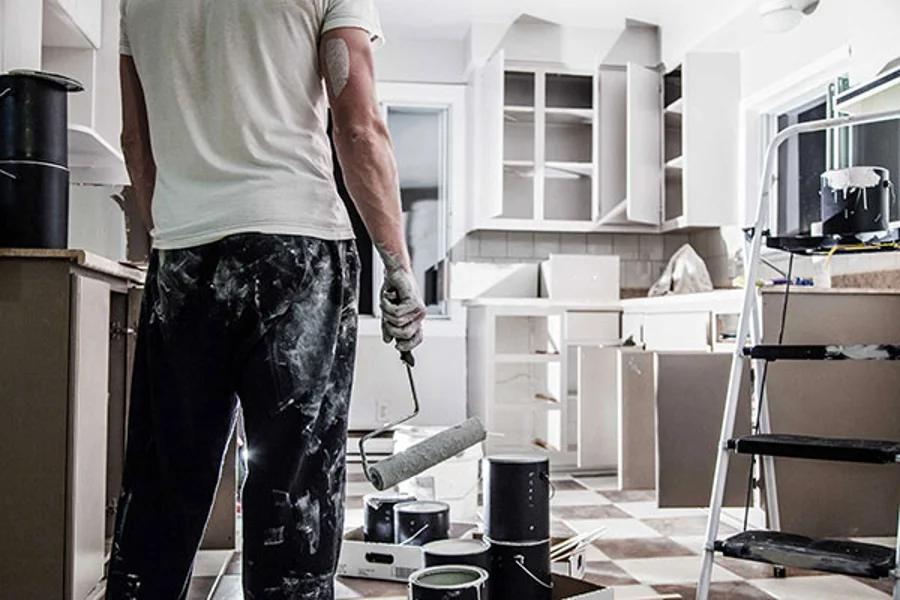
What Is Surface Preparation?
Surface preparation refers to the process of readying a surface for painting by cleaning, repairing, and priming it. This step is vital as it ensures the paint bonds properly with the surface, resulting in an even finish. Inadequately prepared surfaces can lead to peeling, cracking, or uneven texture once painted.
Importance of Cleaning Before Painting
Cleaning is the first step in surface preparation. It involves removing dirt, grease, and old paint residues that can prevent new paint from adhering. For example, if you’re working on bedroom painting projects, taking the time to thoroughly clean walls will make a significant difference in the final look.
Sanding: Smoothing Out Imperfections
Sanding smooths out rough spots and helps create a uniform surface for painting. By doing this, you remove imperfections such as bumps and holes that might mar the appearance of your finished project. When handling bedroom painting tasks, sanding becomes essential to achieve that polished look.
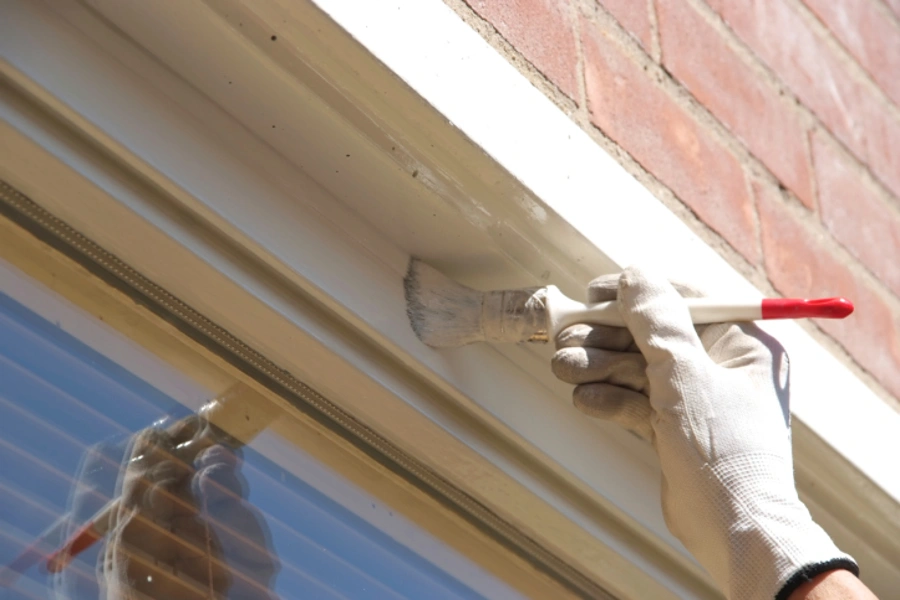
The Role of Primers
Primers serve as a preparatory coating applied before painting. They help cover stains and provide a stable base for topcoats. Using primers can extend the life of the paint job and save money by reducing the need for multiple coats of paint.
Benefits of Proper Surface Preparation
There are several key benefits to investing time in proper surface preparation:
- Enhanced durability of the paint job
- Smooth and even finish
- Increased adhesion strength
- Prevention of premature paint failure
Common Challenges in Surface Preparation
Some challenges include identifying the type of surface material and existing issues like mold or moisture. Poorly prepared surfaces often show signs of wear sooner than expected, leading to costly repairs or repaints.
Tackling Surface Preparation Like a Pro
- Start by thoroughly cleaning all surfaces with soap and water.
- Next, sand down any rough areas until smooth.
- Apply primer evenly across the entire area to be painted.
- Inspect for any missed spots and touch up as needed.
- Finally, allow each layer (cleaner, primer) ample drying time before applying paint.
Best Practices for Successful Painting Projects
Following these best practices can enhance your painting results:
- Select appropriate tools such as brushes and rollers suited for specific paints.
- Ensure good ventilation during preparation and painting to avoid health risks.
- Always follow manufacturer instructions for products used.
Cost Considerations in Painting Projects
The cost of a painting project can vary depending on factors such as surface condition and materials required. While cutting corners may seem tempting, investing in quality supplies and thorough preparation pays off by extending the lifespan of your work and enhancing its overall appearance.
Your Path to Professional Results
If you want a professional-looking paint job, focus on preparing your surfaces correctly. By following steps like cleaning, sanding, and priming, you lay a foundation for success. For those located in Murfreesboro, TN, connect with Restoration Painting Services at (615) 482-6461 for expert guidance on your next project. We offer comprehensive support tailored to your needs.